In our first months in Australia, I remember looking at our expenses one night and thinking something I did not really know how to explain at the time.
We prepared for this. So why does it still feel this heavy? We had already thought about the big costs. The move itself, the paperwork, the setup, the obvious things.
But what quietly caught me off guard was not only the cost of arriving. It was the cost of living once life actually started. Because once the move is over, real life begins. And real life comes with bills.
Not dramatic, shocking bills all at once. Just ordinary ones. The kind that keep showing up every week, every fortnight, every month. The kind that make you realise that settling in a new country is not only about getting here. It is also about learning the rhythm of everyday life here.
That part can feel heavier than people expect. Not because you are careless. Not because you failed to prepare. But because you are trying to build a life while learning a completely new financial system at the same time. And when you do not fully understand the rhythm yet, money can feel heavier than it should.
What ongoing bills do new immigrants need to plan for in Australia?
New immigrants in Australia usually need to plan for rent, utilities, internet, mobile phone, groceries, transport, insurance, and other ongoing household expenses. Depending on your situation, you may also need to budget for car costs, school-related costs, and irregular bills that do not come monthly but still affect your overall financial stability. That is the simple answer. But the deeper answer is this. It is not just the existence of the bills that makes this hard. It is the mental load of trying to understand them while everything else still feels new.

You may still be figuring out where to shop. How often bills arrive. Which costs are fixed and which ones move around. What is normal here and what is only temporary.
And when you are new, that uncertainty can make even ordinary expenses feel bigger. Sometimes it is not the bill itself that overwhelms you. It is the fact that you did not know it was coming.
Why bills can feel heavier in your first year in Australia
In your first year in Australia, bills can feel heavier because almost everything still feels unfamiliar. You may not yet know how much groceries will really cost for your household. You may not yet know how often electricity bills arrive. You may not know whether water is included in your rent. You may not know how much transport adds up over a month. You may not yet have a feel for the irregular expenses that quietly sit in the background until they suddenly matter.
And when you do not know the rhythm yet, it can feel like money is constantly leaving without giving you much time to breathe. That was one of the biggest adjustments for us.
There is a difference between spending money and understanding money. You can be paying your bills, showing up, being responsible, doing everything you can and still feel unsettled because the system itself still feels unfamiliar. That is a very normal part of starting over.
I think this is where many new immigrants feel quietly discouraged. You are trying your best. You are doing what you can. But money still feels unpredictable. That does not always mean you are doing something wrong. Sometimes it simply means you are still learning a new system. And learning takes time.
The main ongoing bills new immigrants need to plan for
Here are the main ongoing expenses most new immigrants need to prepare for once life starts in Australia.

Rent
For most households, rent will be the biggest ongoing expense. And unlike one-off setup costs like bond and advance rent, rent keeps shaping your budget long after the move is over.
This is why rent is not just a housing decision. It is a stability decision.
A place may look right on paper, but if the rent takes too much of your income, everything else starts feeling tighter than it needs to. Groceries feel heavier. Bills feel more stressful. Saving feels further away.
That is why being realistic here matters so much. Especially in the beginning. When you are still learning how the rest of your life in Australia will actually cost out.
Electricity, gas, and water
These are some of the most important household bills to understand early. The confusing part is that not every setup works the same way. Some homes use both electricity and gas. Some are electricity only.
And when you are already adjusting to so many new systems, even something simple like utility billing can feel like one more thing your brain has to carry.
What also catches people off guard is that these bills may shift depending on the season, your usage, or how much time everyone is spending at home. So even though utilities may sound like ordinary household costs, they can still feel unpredictable in the beginning.
Internet
Internet is one of those bills that may not look huge next to rent, but it matters more than people think. It becomes part of daily life very quickly. Job applications, school communication, banking, staying in touch with family overseas, watching something at night when you are mentally exhausted and just need to breathe.
Internet is not a luxury in this season. It is part of how life functions. And because it becomes so normal so quickly, it is easy to forget to properly account for it when you are trying to estimate what everyday life will cost.
Mobile phone
Your mobile bill may seem small compared to bigger expenses, but it still belongs in your real budget. When you are new in a country, your phone becomes part of how you manage almost everything. Directions, calls, work updates, school notifications, banking, everyday admin.
This is one of those expenses that does not usually feel overwhelming on its own. But that is often how pressure builds. Not from one huge thing. From many ordinary things sitting on top of each other. And when enough ordinary things pile up, the whole month can start to feel tight.
Groceries
Groceries are one of the most emotional parts of settling into a new country. Because groceries are not just about food. They are about routine, comfort, family life.
The little normal things that help life feel steady.
And when grocery costs feel different from what you expected, you feel that difference often. Not once. Not occasionally. Every week. This was one of the areas where the adjustment felt very real.

You start noticing which shops feel more affordable. Which items stretch further. Which habits you may need to change. Which “small extras” quietly add up.
At first, groceries can feel frustrating because there is a lot of trial and error. You are still learning where to go, what gives value, and how to build a grocery routine that fits your new life here.
Over time, it usually gets easier. You learn. You adjust. You find your rhythm. But in the beginning, this part may feel heavier than people expect.
Transport
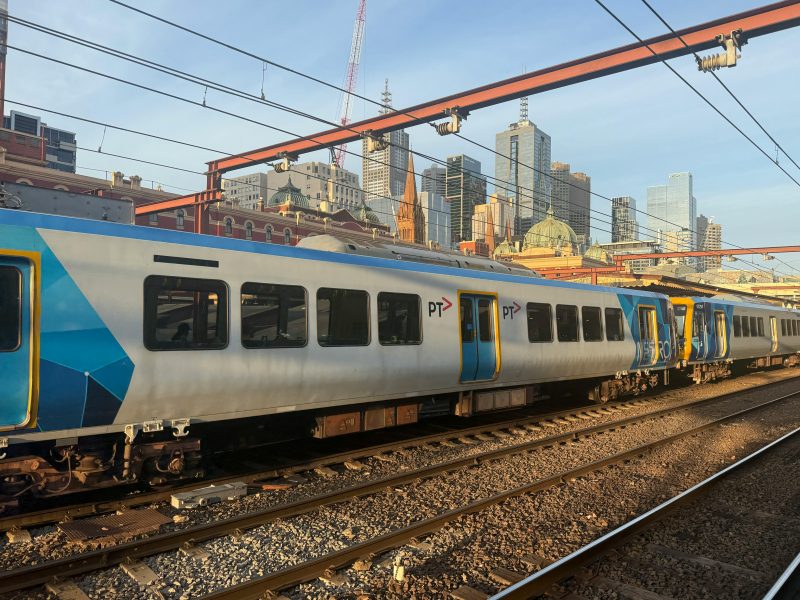
Transport is another cost people tend to underestimate. One trip may not feel like much. But repeated over weeks, it becomes part of the structure of your life. And that is really what this whole conversation is about. Not only what something costs once. But what it costs when it becomes part of everyday living.
If you rely on public transport, those recurring costs matter. If you drive, the financial picture expands again. Either way, transport deserves to be treated as a real budget category, not just a background expense.
Car costs
If you have a car, life can feel more convenient in some ways, but financially, it also becomes more layered. Now you are not only thinking about petrol. There may also be registration, insurance, servicing, repairs, tolls, and parking depending on your situation.
This is one of the clearest examples of why earning more in Australia does not automatically feel like financial ease. Because the issue is not only income. It is the structure of your expenses.
A household can be working hard and earning steadily, but if the cost of ordinary life is high, money can still feel tight. That is not failure. That is just the reality of how life works sometimes.
School and child-related costs
If you have children, there may be additional costs that do not always show up clearly in broad budgeting advice. School supplies, uniforms, excursions, lunches, childcare, and activities.
Not every family will have the same experience, but this category matters because these costs often come in waves rather than in one neat monthly amount. And those “wave expenses” can throw you off if you are not expecting them. This is why it helps to think beyond a basic monthly budget and pay attention to the patterns that sit around it too.
Insurance
Insurance is one of those categories people sometimes push aside in the beginning, especially when there are already so many other expenses competing for attention.
That is understandable. But it still deserves space in your planning.
Depending on your life, this might include car insurance, contents insurance, or other forms of cover that help protect your household when life does not go to plan.
That is part of settling too. Not just managing life when everything goes well, but preparing for the times when it does not.
Unexpected and irregular expenses
This is where many budgets start to feel tight. Because not all important expenses arrive monthly. Some come quarterly. Some come yearly. Some come suddenly.
That might include car registration, school costs, seasonal bill changes, home essentials, medical gaps, or those random but necessary expenses that were not on your mind last month but suddenly matter today.
This is why a realistic budget in Australia cannot only focus on neat monthly bills. Real life does not always arrive neatly. And when your budget has no breathing room for irregular life, even a reasonable month can start to feel stressful very quickly.
What caught us off guard financially
If I am being honest, it was not the existence of the bills that caught us off guard. It was the rhythm of them.
When you are preparing to move, you expect the big costs. You know moving countries is expensive. You know there will be setup costs and sacrifices and a season of adjustment. But what I do not think people explain enough is what it feels like once ordinary life begins. Because that is when the emotional weight changes.

You are no longer just moving. You are living. And living means the bills keep coming while you are also trying to settle emotionally, adjust mentally, find your footing, and build some sense of normal again. That is the part that can feel quietly exhausting.
I think a lot of immigrants carry this silently. You may be grateful to be here and still feel stretched. You may be doing better than you were before and still feel pressure. You may be earning and still feel unsure.
All of that can be true at the same time. And it does not mean you are behind. It may simply mean you are in the stage where everything still feels heavier because it is still new.
A simple way to make these bills feel more manageable
What helped us was learning to stop treating every expense like it was random. We needed some kind of structure. Not a perfect system. Not a complicated spreadsheet life. Just enough clarity so money stopped feeling like it was disappearing without explanation.
A simple way to think about your bills is this:
Fixed essentials
These are the recurring costs you expect, like rent, internet, and phone.
Variable essentials
These are necessary, but may move around, like groceries, transport, and utilities.
Irregular but expected costs
These are not monthly, but they are still part of real life, like registration, school extras, seasonal bills, or household replacements.
That shift helped a lot. Because when your expenses have a place to go, money often feels less chaotic. And when money feels less chaotic, your mind feels calmer too.
You do not need to have everything figured out immediately. You just need enough clarity to make the next good decision. That is often how stability begins. Not all at once. Just one clear step at a time.
To help understand actual costs, check this out: Australia Cost of Living Calculator
And to assess progress, look into this: Australia First-Year Stability Check
The guide I wish someone had given us
Because this part of settling is rarely explained in a simple, practical way, I created something I genuinely wish someone had handed us earlier.
It is called the Immigrant Money Roadmap.
It helps new immigrants understand the financial stages that often come with building a life in Australia, including what usually matters first, what can wait, and how to focus on the right things in the right season.

Because when everything feels important, it is very easy to carry too much pressure. And when you are carrying too much pressure, money can start to feel heavier than it needs to.
The roadmap helps bring things back into perspective.
If you want a clearer picture of how the money side of settling in Australia often unfolds, you can download it below.
Download the free Immigrant Money Roadmap
Because we do not just deserve to survive in a new country.
We deserve clarity, confidence, and control so we can build a life we truly love.
Start strong. Settle smart. Live well.
FAQ: Ongoing bills and monthly expenses in Australia
What ongoing bills do new immigrants need to plan for in Australia?
Most new immigrants need to plan for rent, utilities, internet, mobile phone, groceries, transport, and other recurring household expenses. Depending on your family setup, this may also include car costs, school-related costs, insurance, and irregular yearly expenses.
What is the biggest ongoing expense for most immigrants in Australia?
For most households, rent is usually the biggest ongoing expense. This is why housing decisions often have the biggest impact on overall financial stability.
Are bills in Australia paid monthly?
Some are monthly, but not all. Some expenses may be weekly, fortnightly, quarterly, yearly, or variable depending on usage. That is why it helps to look at your full financial rhythm, not just monthly bills.
Why does money still feel tight even when you are earning in Australia?
Money can still feel tight because settling in Australia often comes with recurring expenses, irregular costs, and a new financial system that takes time to understand. Earning more does not always feel easier if the structure of everyday life is also expensive.