Is the job you were just offered actually the job you applied for? It sounds like a strange question to ask. But it’s one worth asking every single time, especially as a new arrival still learning how employment works here.
My husband applied for a role advertised online as permanent. He went through every stage of the interview process with that in mind. Then the job offer came, over the phone, before anything was written down, and it was described as contract work instead.

He didn’t accept on the spot. He asked directly, was this role permanent or contract, since the ad said permanent. The employer called back shortly after and confirmed it. It had been a genuine mistake on their end. The role was permanent, exactly as advertised.
It turned out fine for us. But it easily could not have. If he had said yes on the phone without asking, he could have accepted a completely different kind of job than the one he actually applied for, with different pay structure, different leave, and different job security.
This is one of the quieter risks of starting work in a new country. You don’t yet know which questions to ask, because nobody has ever explained the different types of employment here, or what each one actually means for your pay, your leave, and your long term security.
The Three Main Types of Work in Australia
Most jobs in Australia fall into one of three types. Knowing the difference before you say yes protects you, exactly like it protected us.
Permanent Work
Permanent means the job doesn’t have an end date. It keeps going until you or your employer decides to end it.
Permanent workers can be full-time or part-time. Either way, you get the full set of protections. That means paid leave when you take a holiday, paid leave when you’re sick, a notice period if the job ends, and a payout if your role gets cut.

This is the safest type of job out of the three. When a job ad says “permanent,” this is what it should mean.
Contract Work (Fixed-Term)
A contract job has an end date built in. It might be for one project, or for a set number of months or years.
Since late 2023, a contract job in Australia usually can’t run longer than two years total, even counting renewals. And it usually can’t be renewed more than once. If an employer tries to keep renewing your contract past that limit, the law can step in and treat you as a permanent worker instead, whether the employer meant to or not.
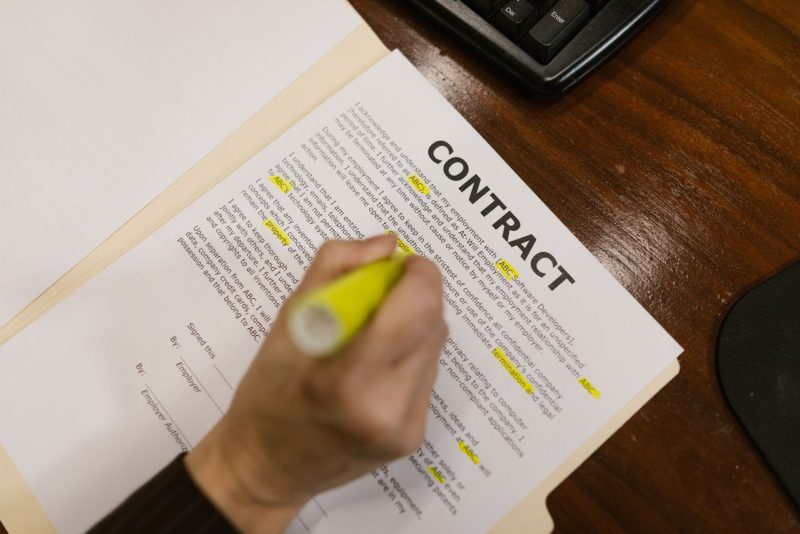
If you’re offered contract work, your employer has to give you a specific document explaining your rights, on top of the standard paperwork every new worker gets.
While your contract runs, you still get paid leave, just like a permanent worker. The big difference shows up at the end. When a contract simply finishes on its agreed date, you usually don’t get a payout or a notice period, because you already knew when it would end.
Casual Work
Casual work means no set hours. You could get more shifts one week and fewer the next, with no promises either way.
To make up for this, casual workers get extra pay on top of their hourly rate, often 25 percent more. This extra pay is meant to replace the paid leave and job security you’re missing out on.

Casual workers usually don’t get paid holidays, paid sick days, a notice period, or a payout if the work ends. You still get superannuation though, the same as everyone else.
If you’ve been working steady, regular hours as a casual for a while, you may be able to ask to switch to permanent work. It’s worth knowing you can ask, since your employer might not bring it up first.
What This Actually Means for Your Pay
These labels aren’t just paperwork. Each one changes what actually lands in your bank account, and what protects you if something goes wrong.
A permanent role generally comes with the strongest safety net. Leave that builds up over time. Notice if your job ends. Redundancy pay in the right circumstances. A casual role can look like more money on paper, since the hourly rate is higher. But that extra amount is there specifically to replace the leave and security you’re giving up, not to leave you ahead.
Here’s a simple way to picture it, based on general published comparisons, not our own numbers. Say the base rate is $30 an hour. A casual worker doing the same job might earn around $37.50 an hour once the loading is added. Over a full year of full-time hours, that’s a real difference in take-home pay.
But a permanent employee doing that same job also gets several weeks of paid leave every year, paid personal leave, and possibly notice or redundancy pay if the role ever ends. Once you add all of that back in, the gap shrinks a lot, and can even flip the other way, especially if you’re planning to stay in a job for more than a year or two.
This is exactly why the label on your offer matters. Accepting a “contract” role when you thought you were getting “permanent” isn’t just different wording. It can mean different pay, different security, and a different financial picture for your family.
What If It Wasn't Just a Mistake
In our case, the mismatch was a genuine, honest error, and it was corrected the moment we asked. Most employers want to get this right.
But sometimes a job does get labelled the wrong way on purpose, so an employer can avoid paying the entitlements they’d otherwise owe. There’s an actual term for this, sham contracting, and Australian regulators have been actively cracking down on it, with real penalties for businesses caught doing it deliberately.
You don’t need to remember that term. You just need to remember this: asking a direct, simple question about your employment type is always reasonable. You’re not being difficult. You’re confirming something you’re fully entitled to know.
What to Check Before You Accept Any Job Offer
Here’s what we’d tell anyone new here now, based on what we nearly got wrong ourselves.
- Compare the offer against the original job ad, specifically the employment type, not just the title or the pay.
- Don’t accept anything verbally, over the phone or in a quick conversation, without asking directly what type of role it actually is.

- Ask for the offer in writing before you give a final answer. A written offer letter is what actually protects you if there’s ever a dispute later.
- If you’re offered a fixed-term contract, check whether you receive a Fixed Term Contract Information Statement. If you don’t, that’s worth asking about directly.
- If anything about the offer feels inconsistent with what was advertised, ask. A genuine mistake gets corrected quickly and without drama, exactly like what happened in our own case.
A Note on Getting It Wrong Honestly
To be clear, this isn’t about assuming employers are trying to trick you. In our situation, it was a real, honest mistake, and it was corrected the moment we asked. Most employers want to get this right too.
But mistakes do happen, and sometimes a role does get deliberately mislabeled to avoid providing proper entitlements. Since 2026, regulators have been actively investigating this kind of misclassification, with significant penalties attached for businesses that get it wrong, whether by mistake or on purpose. Asking a direct, simple question protects you either way.
If You've Already Accepted Something and Aren't Sure What You Signed
If you’re reading this after already starting a job, and you’re not entirely sure what type of employment you’re actually in, that’s a completely fixable situation, not something to worry over quietly on your own.
Start by looking at your actual written contract or offer letter, if you have one, rather than what you remember being told in conversation. If the wording is unclear, or you never received anything in writing at all, it’s reasonable to ask your employer directly for a written summary of your employment type and entitlements. Keeping a simple record of any conversations about your role, even a short note with the date and what was said, can also be genuinely useful if anything needs clarifying later.
The One Question Worth Asking Every Time
If you take away only one thing from this, let it be this single question: is this role permanent, fixed-term, or casual, and can you confirm that in writing?
It takes ten seconds to ask. It can save you from years of confusion about your pay, your leave, and your security in a new country where you’re already learning so much at once.
Frequently Asked Questions
What’s the real difference between a fixed-term contract and casual work in Australia? A fixed-term contract has a set end date or project, with entitlements similar to permanent employment while it runs. Casual work has no guaranteed hours and no set end date, and instead pays a loading on top of the base rate in place of leave entitlements.
Can an employer offer a job verbally and then change the terms before it’s in writing? A verbal offer isn’t final. What actually matters is what gets confirmed in writing. That’s exactly why it’s worth asking about the employment type directly, and asking for that written confirmation before you say yes.
Do fixed-term contract employees get superannuation and leave in Australia? Yes. Fixed-term employees generally receive superannuation and pro-rata leave entitlements similar to permanent employees while their contract runs. The main difference is usually at the end of the contract, when redundancy pay and notice of termination generally don’t apply if the contract simply reaches its agreed end date.
How long can a fixed-term contract last in Australia? Under current rules, a fixed-term contract generally can’t run longer than two years in total, including renewals, and is usually limited to one renewal. There are some exceptions for specific situations, so it’s worth checking your own circumstances if you’re unsure.
What should I do if a job offer doesn’t match what was advertised? Ask directly and calmly for clarification before accepting anything. In our experience, a genuine mistake gets corrected quickly once you ask. If the mismatch isn’t resolved to your satisfaction, it’s worth checking your situation against current Fair Work guidance.