If you’re reading this quietly, maybe late at night, maybe after another bill arrived, I want you to know something first:
You’re not failing.
Most money stress in the first year in Australia doesn’t come from bad decisions. It comes from not being told how the system actually works.
I’ve been here long enough now to see the pattern clearly not just in our own journey, but in the stories shared with me by other immigrants who are trying their best, working hard, and still wondering why money feels heavier than expected.
So, this isn’t a list meant to scare you. It’s a list meant to give you clarity earlier than most of us got it.
If you avoid even one of these mistakes, you give yourself breathing room and in your first year, breathing room matters more than perfection.
1. Treating a Higher Income Like Disposable Income
This one is very common and very human.
You arrive in Australia and, on paper, your income looks higher than it ever has before. Suddenly the number in your payslip feels validating. Like proof you made the right decision.
Here’s the quiet trap:
A higher income doesn’t mean lower pressure especially at the beginning.
What we didn’t expect was how quickly fixed costs would absorb that income. Rent, utilities, transport, insurance, childcare before we even talked about saving.
I still remember our first few months. We were careful. We weren’t reckless. But we assumed that because the income was higher, there was “room.”
There wasn’t.
Gentle reframe:
In your first year, income is not for upgrading life. It’s for stabilising it.
Before you ask “What can we afford now?” Ask: “What does this income need to protect first?”
If you’re still early in your journey, choosing the right bank account can also make a surprising difference to how manageable your money feels in the first few months.
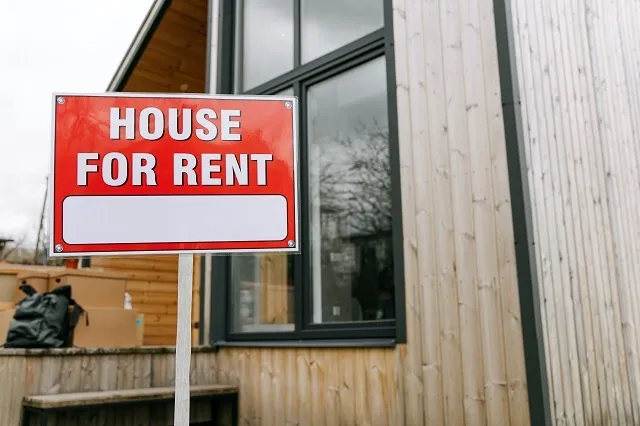
2. Not Understanding How Rent Really Works Here
No one explains this properly.
Back home, rent often works monthly. Here, rent is advertised weekly and paid accordingly.
That one difference changes everything.
You don’t just pay rent.
You pay:
bond (often four weeks)
rent in advance
moving costs
utilities setup
and sometimes temporary accommodation before you even secure a place
I’ve seen so many new immigrants feel shocked not because rent is too expensive, but because so much money leaves at once.
And when you don’t expect that timing, it feels like a financial punch to the chest.
Gentle reframe:
Rent in Australia isn’t just a monthly expense. It’s an entry cost.
Once you understand that, the panic eases because now you’re planning instead of reacting.
A gentle starting point if you’re feeling overwhelmed. It helps you slow down, prioritise, and focus on what actually matters first without trying to do everything.
For when you’re ready to look further ahead. It shows the phases most immigrants move through financially, so you can plan with confidence instead of guesswork.
Neither is about being perfect. Both are about breathing again.
Final Thought (From someone who’s been there)
If your first year in Australia feels harder than you expected that doesn’t mean you made the wrong decision.
It means you’re rebuilding.
And rebuilding quietly, without a familiar system, takes more courage than people talk about.
Living in Australia is an adventure filled with stunning landscapes, vibrant cities, and the joy of family activities. However, one of the recurring expenses we…