Every time it rained, I put a bucket under our ceiling. By morning, it was a quarter full. The carpet underneath was wet. The rugs were wet. This went on for days before the ceiling finally gave way in our living room.
By this point we were in our second year renting here. We still didn’t know what we were entitled to, what counted as urgent, or what would happen if our agent didn’t respond quickly enough.

When you’re new to a country, there are so many systems you’re learning all at once. How rentals work. What you’re responsible for. What your landlord is responsible for. What you’re actually supposed to do when something goes wrong.
All we knew was that water was coming through our ceiling, and we needed it fixed.
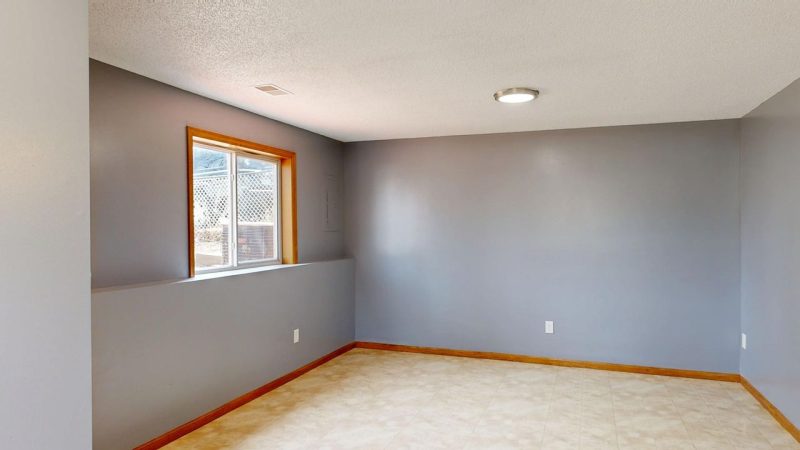
To be fair to our landlord, once we reported it, the repair happened quickly. The agent arranged an assessment, the damaged ceiling was removed, the room was repainted, and the wet carpet was checked so mould never became the next problem. But looking back, we were lucky it went smoothly. We had no idea what our actual rights were if it hadn’t.

If you’re renting anywhere in Australia and something in your home breaks, here’s what we wish we had understood from the start.
Our experience is from Victoria, and yours might look a little different
We rent in Victoria, so everything specific in this post, the timeframes, the process, the dollar figures, comes from Victorian law under the Residential Tenancies Act 1997. If you’re renting somewhere else in Australia, the general idea of urgent versus non-urgent repairs is common across the country, but the exact rules can look different where you are. It’s worth a quick search for your own state or territory’s tenancy authority to check the numbers that actually apply to you.
Not every repair is treated the same way
Repairs generally fall into two categories: urgent and non-urgent. Which one your problem falls into changes how quickly your landlord has to act, and what you’re allowed to do if they don’t. Our ceiling leak counted as a serious roof leak, which in Victoria is on the official list of urgent repairs. We didn’t know that at the time. We just knew it needed fixing.
Urgent repairs in Victoria are meant to be dealt with immediately, not after a few days of waiting. What counts as “immediately” can depend on the type of problem and when it happens, during business hours or in the middle of the night on a public holiday, but the standard is never “give it a couple of days and see.” If your landlord or agent is treating a genuinely urgent problem like it can wait, you’re allowed to push back on that.
Non-urgent repairs work differently. In Victoria, once you’ve asked in writing, the landlord has 14 days to get it sorted.
Who actually pays for it
This is something we didn’t fully understand early on either. If you didn’t cause the problem, your landlord is generally the one responsible for organising and paying for the repair. If you did cause it, that responsibility can shift to you. So if something breaks because of normal wear and tear, or a problem with the property itself, you shouldn’t assume you’re the one expected to pay.
What we'd actually do now
Looking back, here’s the process we wish we’d known from day one.
Report it straight away, and get it in writing. A phone call is fine to start, especially if it’s urgent, but follow it with a text or email so there’s a record of what you said and when.
Take photos or videos before anything gets repaired. In the moment it feels unnecessary. If a question ever comes up later about how bad it was or when it started, having dated photos makes it easy to prove.
Keep a record of every conversation. Just a note of the date, who you spoke to, and what was said. You probably won’t need it. But if the repair drags on, you’ll be glad you have it.

Know your timeframe, and don’t be afraid to follow up. If it’s been longer than it should have, in Victoria that’s immediately for urgent repairs and 14 days for non-urgent ones, you’re not being difficult by asking again. You’re just making sure your home actually gets fixed.
If nothing happens, there’s a free service for exactly this. In Victoria, it’s called Rental Dispute Resolution Victoria, or RDRV. It helps renters and landlords sort out repair disputes without needing a formal tribunal hearing straight away. If you’re not in Victoria, your own state’s tenancy authority will point you to the equivalent.

As a last resort, you can sometimes arrange and pay for an urgent repair yourself. In Victoria this only applies if your landlord genuinely couldn’t be reached or didn’t act, and the repair costs $2,500 or less. You’d then have the right to be reimbursed within 7 days of sending a written request with your receipt attached. It’s a real right, but it’s not something to reach for casually, most tenancy services suggest trying the free dispute process first.
If nothing gets done at all
Sometimes a landlord just doesn’t act, even after you’ve done everything right. If that happens in Victoria, the next step is RDRV, and if that doesn’t resolve it, the dispute can go to VCAT, the Victorian Civil and Administrative Tribunal. It’s free, and you don’t need a lawyer to use it.
You might also be able to claim compensation if the delay actually cost you something, damaged belongings, for example, or an urgent repair you paid for and were owed back. It’s usually easier to work that number out once the repair is actually finished.
One thing worth knowing clearly: keep paying your rent while any of this is unresolved. Stopping rent because you’re frustrated can lead to your landlord issuing you a notice for unpaid rent, and now you’ve got two problems instead of one.
What we'd tell ourselves back then
We didn’t know any of this the first time our ceiling started leaking. We were just stressed while we waited for it to be fixed, and once the repair and repaint were done, we spent a few more days living with the smell of fresh paint until it aired out. To be fair to our landlord, they did fix it properly.
But your rights shouldn’t depend on hoping.
When you’re new here, it’s easy to feel like everyone else understands how these systems work and you’re the only one who doesn’t. You’re not. There were so many things we had to learn after moving, and this was one of them.
Knowing your rights isn’t about looking for a fight with your landlord. It just means understanding the system you’re actually living in. If something in your home breaks, you’re allowed to ask for it to be fixed properly. And if it isn’t, there’s a real process behind that, whether or not your landlord happens to be a good one.
You don’t have to figure all of this out by yourself.
Frequently asked questions
Is a leaking ceiling considered an urgent repair?
In Victoria, a serious roof leak is specifically on the legal list of urgent repairs, which is what ours fell under. If you’re renting elsewhere, check your own state’s tenancy authority, a leak like this is very likely to count as urgent almost everywhere, but the exact process can differ.
What happens if my landlord doesn’t respond to an urgent repair?
In Victoria, you can go straight to Rental Dispute Resolution Victoria once you’ve given your landlord a real chance to respond. If that doesn’t resolve it, RDRV can refer the dispute to VCAT for a formal decision.
Can I stop paying rent until the repair is done?
No. Withholding rent can lead to your landlord issuing a notice for unpaid rent, which just adds a second problem. In Victoria, there’s a formal process to have your rent paid into a Rent Special Account while a genuine dispute is unresolved, but you need to go through RDRV first to set that up.
Do I have to pay for the repair myself?
Not usually. If the repair isn’t your fault, your landlord is generally responsible. In Victoria, self-arranging and paying for an urgent repair is only meant for situations where your landlord couldn’t be reached or didn’t act, and only for repairs under $2,500, with reimbursement owed to you within 7 days.
What should I do first if something breaks in my rental?
Report it to your landlord or agent as soon as you notice it, then follow up in writing. Take photos or videos, and keep notes of every conversation. That’s the same first step whether it turns out to be urgent or non-urgent.
This is a different problem from what it actually costs to secure a rental in the first place, which our rental bond guide covers separately. This post is based on our own experience and general Victorian information, not legal advice. If you’re in the middle of a genuine dispute, your state’s tenancy service can give you advice specific to your situation.