In our first year here, we went out to eat on a public holiday. I don’t remember which holiday it was anymore. But I remember the counter.
When you’re new, you do the sums in your head before you pay. You look at the menu, add up what you ordered, and get your money ready. Our total was more than we’d worked out. We were shocked. Why does this cost more?
Then we found out. It was a public holiday surcharge. We hadn’t known such a thing existed. Thankfully, we had a little extra with us that day.
It wasn’t a big amount. But it taught us something we kept learning, again and again, in our first years in Australia. The price you see isn’t always the price you pay.
This post is about those small extra costs. None of them are scams. Most of them are completely normal here.
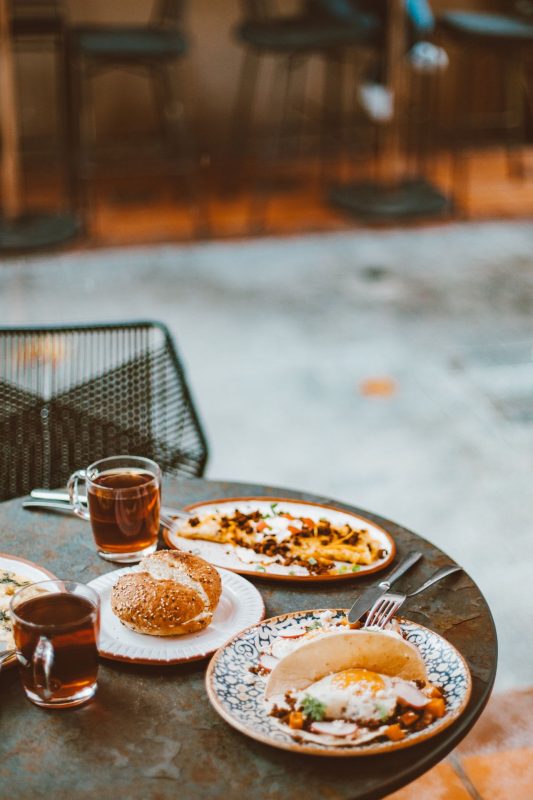
But when you’re new and every dollar already has a job, they can quietly throw your budget off.
Why These Small Costs Catch New Immigrants
Locals grow up with these charges, so they barely notice them. To them, a booking fee or a weekend surcharge is just part of life.
When you’ve just arrived, nobody thinks to mention them. You’re learning a new currency, a new way of paying, and new prices all at once. So you budget for the thing itself. The meal. The ticket. The appointment. Then the extra appears at the end.
One surcharge on its own won’t break you. But in the first year, when money is tight, a few of them in one week can be the difference between feeling steady and feeling like you’re slipping behind again. Knowing they exist is half the battle.
Weekend and Public Holiday Surcharges
This is the one that caught us first.
Many cafes and restaurants in Australia add a surcharge on public holidays, and some also add one on weekends. Businesses are generally allowed to do this, because staff are often paid more on those days.
What helps is knowing where to look. The ACCC, Australia’s consumer watchdog, says a menu with a surcharge must include words like “a surcharge of [percentage] applies on [the specified days].” Those words must be shown at least as prominently as the most prominent price on the menu.
So the information is usually there. We just didn’t know to look for it.
What we do now: On weekends and public holidays, we check the menu for a surcharge notice before we order. If the amount matters that day, we know before we sit down, not at the counter.

Card Payment Surcharges
For years, many shops in Australia added a small fee when you paid by card. You’d tap your card and the total would be a little higher than the price on the shelf.
This changed on 1 October 2026. Businesses can no longer charge a surcharge for payments made using eftpos, Mastercard or Visa credit, debit and prepaid cards. American Express, UnionPay and PayPal have also announced that they will remove surcharging.
There’s an important detail, though. The change only applies to surcharges added because you pay by card. It doesn’t cover weekend surcharges, public holiday surcharges, booking fees or service fees. Those may still apply.
Pro Tip: If you’re still seeing a separate card surcharge after 1 October 2026, it’s worth asking the business about it. Check what the extra charge is actually for, because other types of fees may still apply.
ATM Fees at Another Bank's Machine
When we first arrived, we opened an account with one of the big banks. But not every shop or shopping centre near us had that bank’s ATM.
So when we needed cash, we’d use the first ATM we could find. And there was a fee. I don’t remember how much anymore. I just remember that it was there, and that it added up when we didn’t plan for it.
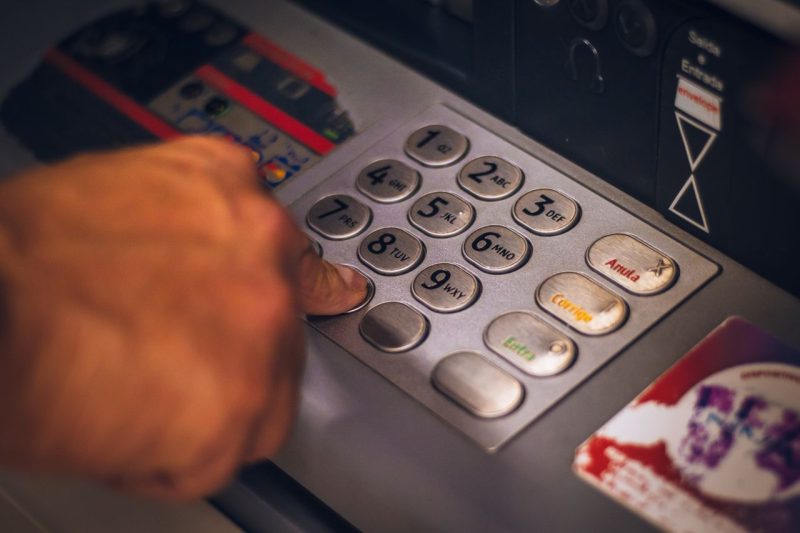
Today, many ATMs in Australia are owned by independent operators, often in pubs, shops and petrol stations. They can charge their own fee for a withdrawal. The fee is shown on the screen before you confirm, so you can still cancel if you don’t want to pay it.
What we do now: We moved to a bank that doesn’t charge us for using other banks’ ATMs. It was one of the simplest changes we made, and we haven’t looked back.
Pro Tip: Even if your bank doesn’t charge you, the owner of the ATM still might. Read the screen before you press confirm. If there’s a fee and you don’t need the cash right now, it’s okay to cancel and find another machine.
Delivery and Service Fees on Online Orders
Online shopping and food delivery can feel like such a help when you’re settling in. You may not have a car yet. You may be tired after a long week.
But there’s often more to the total than the price of the item. Some stores offer free delivery, especially over a certain amount. Most of the time, though, there’s a delivery fee. Some apps also add a service fee or a small order fee on top.
Each one looks small. Together, they can turn a cheap order into a not-so-cheap one.
What helps: Before you pay, look at the final total, not the price you first saw. If you order often, it may help to group orders together so you’re paying one delivery fee instead of several.
Booking Fees on Tickets
When we started going to the movies here, we noticed something. Even when we paid online, there was still a booking fee on top of the ticket price. It’s the same with many tickets for shows, events and some travel. The ticket has its price, and then there’s a fee for booking it online.
There’s some good news coming. A new Australian consumer law passed in 2026 includes stronger protections against hidden fees and drip pricing.

From 1 July 2027, businesses will have to disclose certain transaction-based charges upfront, rather than revealing them unexpectedly later in the purchasing process.
What we do now: If we can, we arrive early and buy our movie tickets at the counter, so we avoid the online booking fee. If that’s not possible, we just pay it. Some fees you can avoid, and some you simply plan for.
Cancellation Fees
This one is easy to forget, because you only pay it when plans change.
Many specialists, clinics and hotels have a cancellation policy. If you cancel too late, or don’t turn up, you may be charged a fee. The time frame is different for each place, so it’s worth reading the policy when you book.
For a new family, plans change often. A new job, a sick child, a shift you couldn’t say no to.
What we do now: If something comes up and we need to cancel, we do it straight away. We don’t wait until the last minute. Planning ahead and cancelling early is how we avoid copping those fees.
Takeaway Container Charges
Back home, a restaurant often gives you a container for your leftovers for free. Here, some places still do. Some ask you to pay.
You’re at the counter, you ask for a container, and they tell you it costs extra. It’s not much. But you don’t really have a choice, unless you leave the food behind.
It’s a small thing. But it’s one of those little differences that can surprise you when you’re used to something else. Now we just expect it might happen, so it doesn’t catch us off guard.
School Holiday Prices
When our daughter first started school here, we planned something for the school holidays. We didn’t know much yet. We didn’t know prices could change so much during those weeks.
Many holiday places, from accommodation to some activities, charge more during school holidays. It’s often called peak season. Even one night away could cost a lot more in those weeks than at other times of the year.
We’d only thought about the place. Not the dates.
What helps: Look up your state’s school holiday dates early. If your plans are flexible, compare the same trip during the holidays and just outside them. The difference may surprise you.
How We Plan for Hidden Costs Now
We can’t avoid every extra cost. Some are just part of life here. But we’ve learned to stop being surprised by them.
Here’s what works for us:
- We expect a little extra. When we go out, we assume the total might be a bit more than the menu price. That small buffer takes the stress out of the counter.

- We check before we commit. Menus on weekends and public holidays, the final total on online orders, the ATM screen before we press confirm.
- We chose our bank carefully. A bank that doesn’t charge us for other banks’ ATMs saves us small fees we used to pay without thinking.
- We avoid the fees we can. Buying movie tickets at the counter when we can. Grouping online orders.
- We act early. If we need to cancel something, we cancel straight away. If we’re planning a holiday, we check the dates first.
None of this is complicated. It’s just awareness. And awareness is something you build, one small surprise at a time.
Frequently Asked Questions
Are public holiday surcharges legal in Australia?
Yes, cafes and restaurants are generally allowed to charge them. The ACCC says the menu must include a clear surcharge statement, shown at least as prominently as the most prominent price. If you’re unsure, it’s okay to ask before you order.
Can shops still charge a fee for paying by card?
From 1 October 2026, businesses can no longer surcharge eftpos, Mastercard or Visa credit, debit and prepaid cards. American Express, UnionPay and PayPal have also announced that they will remove surcharging. This change doesn’t cover weekend or public holiday surcharges, booking fees or service fees.
How can I avoid ATM fees in Australia?
Check whether your bank charges you for using other banks’ ATMs, and which machines are fee-free for you. Independent ATMs may charge their own fee, which is shown on screen before you confirm. You can cancel if you don’t want to pay it.
Why do I pay a booking fee when I buy tickets online?
Many ticket sellers add a fee for booking online. New Australian consumer law passed in 2026 includes changes to how certain transaction-based charges must be disclosed. These reforms commence on 1 July 2027. Until then, buying in person can sometimes avoid the fee.
How do I avoid cancellation fees for appointments?
Read the cancellation policy when you book, since each specialist, clinic or hotel sets its own time frame. If your plans change, cancel as early as you can.
You're Not Careless for Not Knowing
If one of these costs has caught you out, please don’t be hard on yourself. We were caught out too, more than once.
You’re not careless. You’re just still new here, learning a whole new system. And now you know.
Maybe the next time you’re at the counter and the total is a little higher than you expected, you’ll know exactly why. And that small moment of knowing may be enough to help you feel a little steadier.