At work one day, someone asked whose car was parked in the car park. It was mine. I went out and saw the damage on the passenger side. I hadn’t been near the car, and I had no idea it had happened until that moment.
It was in 2018. It was the first time I really saw how car insurance works here. In 2019, a crack in our windscreen taught me the second half of the lesson. Neither of them was something we had planned for.
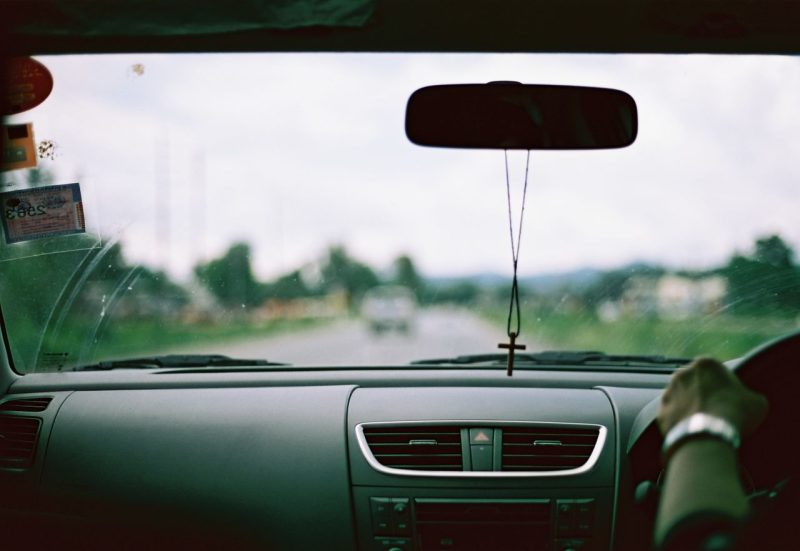
The day someone asked whose car it was
It was a windy day. A visitor to our workplace had parked next to me. He wasn’t an employee, just someone who had come in for a meeting. His car door hit the passenger side of my car. I only found out when someone asked whose car it was.
Here’s the part I’m still grateful for. He did the right thing. He didn’t drive off, and he didn’t leave it for someone else to sort out. He gave me his details.
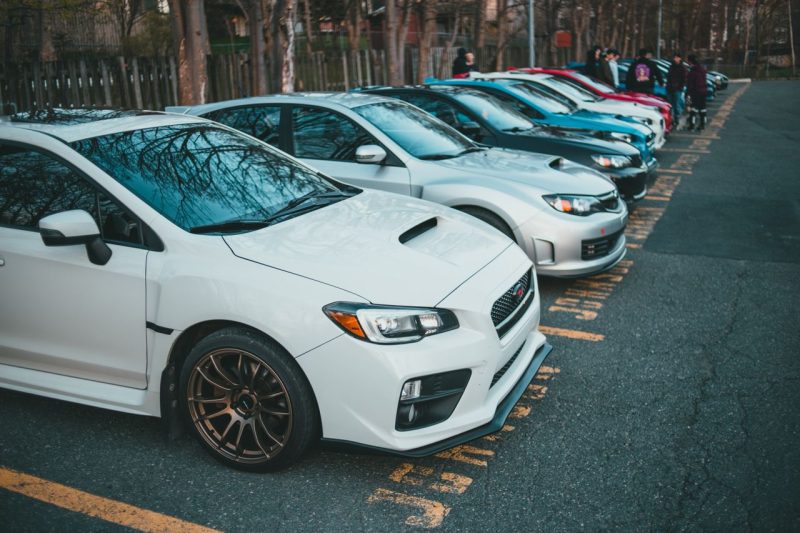
His insurance handled the repair. I didn’t have to chase anyone, and I didn’t have to argue about whose fault it was. That was the day I learned how it all fits together.
What to do if someone damages your car
Not everyone behaves the way he did. So here is what I would want a new arrival to know, based on what I read afterwards.
In Victoria, drivers must stop and exchange details after an accident, even when nobody is hurt. This includes providing details to the owner of any damaged property, according to Victoria Legal Aid.
Victoria Legal Aid also says an accident must be reported to police if anyone’s property is damaged, or if the other person involved does not stop or refuses to provide their details.
RACV suggests collecting the other driver’s name, address, phone number, registration number and insurance details. It also suggests taking clear photos of the damage and the scene. Extra details, like the car’s make, model and colour, or the names of any witnesses, can help too. They also suggest telling your insurer as soon as you can, even if you aren’t sure you will make a claim.
Rules and reporting requirements can differ between states and territories, so it’s worth checking yours.
Not at fault does not always mean no excess
Here is something I didn’t know back then. An excess is the amount you contribute towards a claim, and it’s set out in your policy schedule.
According to the Financial Rights Legal Centre, most policies still ask for an excess even when you weren’t at fault. Some policies waive it for certain claims, while others require you to show that the other driver was completely at fault.
If the other driver is identified, your insurer may be able to recover its costs from them and refund your excess. But this doesn’t always happen, because recovering the money can take months or even years.
One insurer I looked at waives the excess if the crash was entirely the other driver’s fault and you can provide their full name and other required details. Other insurers have their own rules. The important thing is to check your own policy rather than assume you won’t have to pay anything.
For me, the visitor’s insurance handled the repair, and that was the end of it. I’m telling you what happened to us. I’m not saying it will work the same way for you.
The morning I saw the crack
In 2019, while dropping my daughter at school, we noticed a crack in our windscreen. We called our insurance. Because we had added windscreen cover to our policy as an extra, we didn’t pay anything. It was fully covered.
We never saw a bill, so I can’t tell you what it would have cost. What I can tell you is that it wasn’t a problem we had to find money for.
How windscreen cover works
Windscreen cover isn’t the same on every policy, so here is the simple version. Some comprehensive policies include windscreen cover as part of the policy. Others offer it as an optional extra, for a higher premium.
Allianz, for example, includes windscreen damage in its comprehensive policies, but an excess generally applies. It also offers an optional extra to remove the excess for eligible windscreen-only claims. Without that extra, your normal excess may apply. The details depend on your insurer and policy.
Replacing a windscreen can cost from around $300 to more than $2,600 for some vehicles with advanced driver assistance technology, according to Canstar. The actual cost depends on your car, the type of windscreen and the technology fitted.
A small chip may be repairable rather than requiring a full replacement. It’s worth getting a professional assessment before deciding what to do.
There are a few other things to know:
- Insurers generally don’t cover damage that was already there before you added the extra.
- Some policies limit the number of no-excess windscreen claims you can make in a year.
- Allianz says windscreen claims are recorded on your claims history. Whether a claim affects your premium or any applicable discount depends on your insurer and policy.
So it helps to check the details before you rely on it.
Five things to check on your own policy
You don’t need to become an insurance expert. Here are five simple things you could check this week. It might take ten minutes.

- Your excess. Find the amount in your policy schedule. Ask yourself whether you could pay it tomorrow if you had to.
- Your windscreen and glass cover. See whether it’s already included, or whether it’s an extra you could add. Check whether there’s a limit on the number of claims.
- Not-at-fault claims. Check when your insurer waives the excess, what details you need from the other driver, and whether you could get your excess refunded.
- The PDS. The Product Disclosure Statement is long, but it’s where the exclusions and conditions are written. You don’t have to read all of it. Look for the sections on excess, windscreen and not-at-fault claims.
- Your insurer’s claims number. Save it in your phone, so you aren’t searching for it on a stressful day. It also helps to know what photos and details your insurer asks for.
None of this is complicated. It just helps to do it before something happens.
Think ahead, even when money is tight
I understand that when you’ve just arrived, paying for extras can feel like the last thing you want to do. We felt that too. But I’ve come to think about it this way. It may not happen to you. Most days, nothing happens to your car at all. But if it does, you want to be prepared. I would rather pay a little more now than have to find a large amount all at once when money is tight. A surprise bill is the hardest kind when your budget is already tight.
That’s why we had windscreen cover on our policy, and why that crack was a small thing instead of a big one. This isn’t advice for your exact situation. Every household is different, and what works for us may not fit you. It’s simply what I learned, and I wish I had understood it sooner.
If you're new here
If you’ve just arrived, or you’re planning your move, you aren’t behind. Car insurance is one of those systems nobody walks you through, and it’s normal to still be learning it.
A good first step is to open your policy and find three things: your excess, your windscreen cover, and your claims number. That’s enough for today.
If you’d like to see where car costs fit into your monthly budget, you can try our free Australia Cost of Living Calculator and add insurance as one of your regular costs.
Frequently asked questions
Does car insurance cover windscreen damage in Australia?
Comprehensive car insurance usually covers windscreen damage, but the details depend on your policy. Some policies include windscreen cover, while others offer an optional extra to remove the excess. Check your PDS or ask your insurer what applies to your policy.
How much does it cost to replace a windscreen without cover?
According to Canstar, replacing a windscreen can cost from around $300 to more than $2,600 for some vehicles with advanced driver assistance technology. The actual cost depends on your car, the type of windscreen and the damage.
Do I pay an excess if someone else damages my car?
It depends on your policy. The Financial Rights Legal Centre explains that many policies still require an excess even if you weren’t at fault. Some waive it if you can provide the other driver’s details and meet the policy conditions. If the other driver is identified, your insurer may be able to recover its costs and refund your excess, but this doesn’t always happen.
What should I do if someone damages my parked car?
Take clear photos of the damage and the scene, and collect the other driver’s details if they are available. Contact your insurer as soon as you can, even if you aren’t sure you’ll claim. Victoria Legal Aid says you must report an accident to police if anyone’s property is damaged or the other person won’t give their details. Check the reporting requirements in your state or territory.
Will a windscreen claim affect my insurance premium?
It could, depending on your insurer and policy. Allianz says windscreen claims are recorded on your claims history. Check your PDS or ask your insurer whether making a claim could affect your premium or any applicable discount.
A note before you go
This is what happened to our family, shared as our own experience. It isn’t financial, insurance or legal advice. Policies and rules differ between insurers and between states and territories, so please check your own policy and speak to your insurer if you’re unsure.
Related posts:
- Permanent, Contract, or Casual? What to Check Before You Accept a Job Offer in Australia
- Free Activities for Kids in Australia: What Kept Our Daughter Busy on a Tight Budget
- Your Electricity Bill Is Higher Than Expected? 5 Things to Check Before You Pay
- How Long Should Your Savings Last When You Move to Australia?