When we moved into our first rental in Australia, our daughter was three. Money was tight, and every dollar already had somewhere it needed to go. Paid outings were not really part of our plans. But she still needed to play, explore and be around other kids. And honestly, so did we.
What we found over the next couple of years surprised me. Some of our happiest days as a little family here did not cost us anything at all.
We discovered library programs, playgrounds we had never visited, afternoons at the beach and community events we wouldn’t have known about if we hadn’t kept our eyes open. We didn’t have a big budget for family outings, but we still found ways to enjoy our weekends and school holidays.
If you’re raising children in Australia while trying to make your money stretch, here are the free activities for kids we leaned on, how we found them, and how you can find similar ones near you.
Why Free Activities Mattered So Much to Us
When you’re starting over in a new country, even ordinary family expenses can feel like a lot. You’re paying rent, buying groceries, setting up your home and working out how much everything costs.
The weekend comes around, and you want to take your children somewhere. But you also know exactly how much money is left until the next pay. We understood that feeling.
What I noticed back then was that our daughter didn’t care whether a place was expensive. As long as she was with mum and dad and having fun, it was enough for her.
Looking back, I think that was a good reminder for us, too. We didn’t have to spend money every time we wanted to make a memory. Finding free activities gave us something to look forward to without putting more pressure on our household budget. It also helped us discover more of the place we were learning to call home.
I’m reminiscing as I write this. Those days were simple, and they were good.
If you’re also trying to make your income stretch while settling into Australia, I shared more about the spending decisions we made in those early years in how we cut our spending in Australia on a low income.
This post is the other side of that story. It’s about the life we were still able to enjoy while being careful with our money.
1. Free Library Programs for Kids
The library became one of our regular places. When our daughter was around three, we registered her for a free reading program called 1000 Books Before School. I let her choose the books she wanted. Then I read them out to her and tried to teach her to read along. It became our bonding time while my husband was at work during the day.
By the time she turned five, she already knew how to read a bit. It felt like a good training ground before she started primary school.
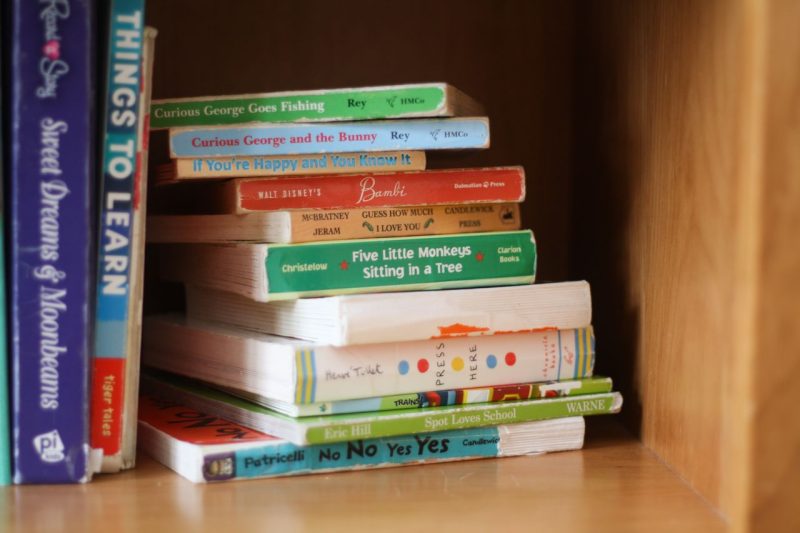
But what I remember most is the time we spent together. We didn’t need to buy anything to make that time meaningful.
How does 1000 Books Before School work?
Libraries that offer the program encourage families to read regularly with their children before they start school.
- The goal is 1,000 books. Reading three books a day gets you there in under a year. Reading one a day takes less than three years.
- Repetition is part of the fun. Children can enjoy hearing their favourite stories again and again.
- Some libraries offer small rewards. Depending on the library, children may receive a library bag or a patch when they reach certain milestones.
- It gives you a simple routine. You can read together at home, before bed or whenever it suits your family.
Not every library offers this particular program, so check with your local branch. It’s also worth asking about free storytime sessions, children’s activities and school holiday events. Library membership is free at the libraries we’ve checked, although it’s always best to confirm the arrangements at your local library.
A simple way to start: Search for your local council library online, visit the website or walk in and ask what they offer for young children. You might discover something you didn’t know was available.
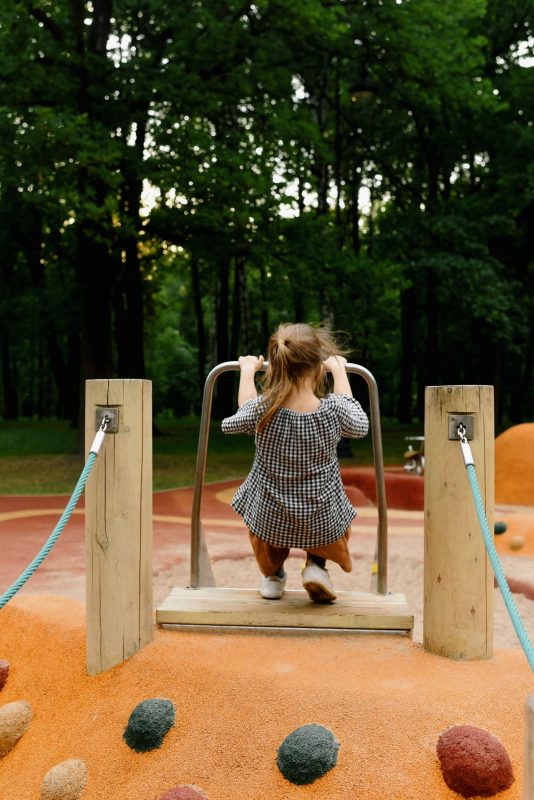
2. Playgrounds, and Lots of Them
I used to search the internet for parks near us, and then we would actually go. Sometimes we did this every week, especially during school holidays. We didn’t stick to one playground. If there was a park on one estate, we would try it. If there was another one on a different estate, we would try that one too.
Each new playground felt like a little outing for our daughter, even though it cost us nothing. We could spend time outside, let her run around and enjoy a change of scenery without having to plan an expensive day out.
One place I still remember was a free bike area near us with little pretend roads, where children could ride their bikes or scooters and practice following road rules. We didn’t pay anything when we went. There was free parking but no toilets, which taught me something practical. A place can be free to visit, but knowing what facilities there are makes the outing much easier.
What helped us: Search for parks and playgrounds in your suburb and the surrounding suburbs. Many local councils list their parks online, and some include details about play equipment, picnic areas, toilets and parking.
Before you leave, check the facilities and pack some water and snacks. That way, you can enjoy your outing without needing to buy food while you’re there.
3. The Beach, With a Playground Nearby
We would go to the beach, and there were playgrounds nearby too. That made it an easy day out with a young child. Sometimes we would just stay there for a while. We had a little tent, and I would sit inside it and read. My husband and our daughter would play in the water.
I still remember how calm those afternoons felt. Nothing to buy. Nowhere to be.
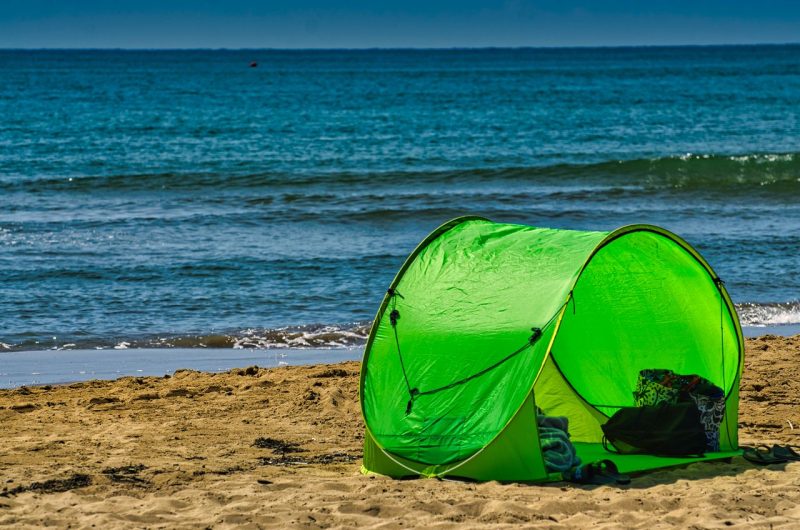
When you’re trying to keep spending under control, it’s easy to feel as though a good family outing has to involve an activity, an attraction or something you need to pay for.
But some days, all we needed was a beach, a little shelter from the sun and time together.
If you’re planning a beach outing with young children, check the weather, local beach conditions and any safety advice before you go. Bring water, sun protection, snacks and whatever your family needs to be comfortable. A little preparation can make a simple day out much easier.
4. Botanic Gardens and Nature Walks
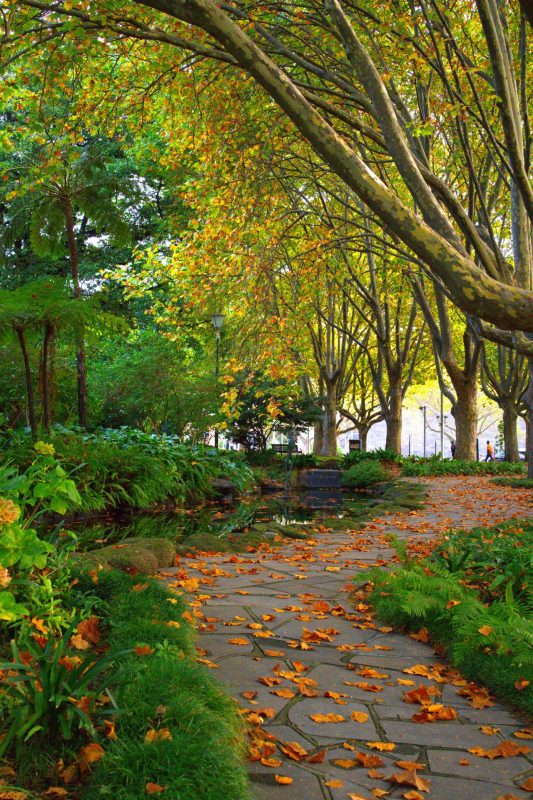
I love gardens. I love nature. Going to botanic gardens was one of my favourite free things to do with our family. Just walking, smelling the trees and being outside clears my mind. When you’re carrying a lot as a new immigrant, that kind of quiet is worth more than it sounds. Our daughter got to run around and look at everything. I got to breathe a little.
It didn’t have to be a big outing. We could simply walk around, take our time and enjoy being somewhere different.
If you enjoy nature too, look for botanic gardens, public gardens, walking trails and reserves in your area. Check the official website before visiting, as some gardens or special exhibitions may charge an entry fee even when other areas are free.
You don’t need to turn every weekend into a big event. Sometimes a walk in a garden is enough.
5. Free Activities at Shopping Centres
This one surprised me. Sometimes shopping centres would have free activities for kids, and we would go along. It was a way to get out of the house on days when we didn’t have a plan. Our daughter got to do something fun, and we didn’t have to spend anything.
For families with young children, these activities can be worth keeping an eye on, particularly during school holidays. Some shopping centres advertise children’s workshops, craft activities or seasonal events on their websites and social media pages.
The important thing is to check the details first. Activities may run only on certain dates, require registration or have limited places. And if you’re trying to stick to a budget, decide beforehand whether you’re going just for the activity. You can enjoy what’s available without feeling that you also need to buy something while you’re there.
6. Community Christmas Events
This is one of my favourite memories from those early years. When our daughter was in four-year-old kinder, we saw a flyer for a Christmas event at a school near us. We didn’t know anyone there. We just thought, let’s go. It was beautiful.
There was free entertainment and free food. People were singing and dancing to Christmas songs, and we sat and watched. Then Santa came, and our daughter was so happy to see him.

There were activities for the kids too, like tug of war. Little kids don’t need to know each other to join in. They just play. It made me feel more at home. We were a little family in a crowd of strangers, and we still felt like we belonged there for an afternoon.
When you move to a new country, building a sense of belonging can take time. Sometimes it’s the small things, like attending a local event or spending an afternoon with people in your community, that help you feel more connected.
We found this event through a flyer, which is why I always think it’s worth paying attention to what’s happening around you.
Where to look: Check noticeboards at your children’s kinder or school, local community centres, council event pages and neighbourhood groups. Community events are often seasonal, so it’s worth checking what’s coming up before the holidays arrive.
7. Church Activities
Church has always been part of our life here. Alongside the beach, the parks and the gardens, church activities gave our daughter another place to be with other children. It was one more way for us to spend time as a family and be part of a community.
If you’re already involved in a church or another community group, ask whether they organise family activities or children’s events. If you’re not, you can still explore the many other options available through libraries, councils, schools and community organisations.
The important thing is finding places where your family feels comfortable and welcome.
How to Find Free Activities for Kids Near You
You don’t have to know every free activity available in Australia. We certainly didn’t. We found things gradually, by searching online, asking other people and paying attention to what was happening around us.
Here are six ways to get started.
1. Check your local council's website
Search for your council’s events page, community calendar or school holiday programs. Many councils list free activities, local events, parks and playgrounds. Availability varies by area, so check the details before making plans.
2. Ask at your local library
Don’t just borrow books. Ask about children’s storytime, reading programs and school holiday activities. Some programs require registration, so checking ahead can save you a wasted trip.
3. Explore parks in nearby suburbs
Don’t limit yourself to your own street or suburb. Search for parks and playgrounds in surrounding areas. You may find a different playground, a walking path or a picnic spot that becomes a regular family favourite.
4. Keep an eye out for flyers and noticeboards
This is how we found the Christmas event we still remember. Look at noticeboards in shops, at kinder, at school, at your library and at community centres. Not every event will show up in the same online searches.
5. Plan a few simple school holiday outings
School holidays can put extra pressure on the family budget, especially when paid activities are part of the plan. You don’t need to fill every day with something organised. A trip to the playground, a library visit, a nature walk or a beach afternoon can give children a change of scenery.
Paid holiday activities can also cost more during busy periods, which is something I discussed in the hidden everyday costs nobody told us about in Australia. A little planning can help you enjoy the holidays without putting unnecessary pressure on your budget.
6. Ask other parents
A friend told us about the reading program at the library. That was one of the ways we discovered something useful that we might not have found on our own. Other parents often know about local playgrounds, community events and children’s programs. You don’t have to figure everything out by yourself.
A simple plan for your next weekend
If you’re not sure where to begin, keep it simple.
- Choose one activity from this list.
- Check the opening hours, costs and facilities.
- Pack water and snacks if you need them.
- Leave some room in the day to enjoy yourselves without rushing.
You don’t need a complicated plan or a big budget to get started.
Because programs change and every area is different, always check the latest details with the council, library or event organiser before you go.
What It Looks Like Now
Our daughter is older now, and things have changed. She wants things that are more interactive, and sometimes we do spend, like at the arcade. But we still look for free things. We still walk and ride bikes around our estate. And sometimes I’ll still say, “Can we just go to the garden?” I just want to walk and be with nature for a little while.
After all these years, I still appreciate the simple things we can enjoy without spending much money. There’s still so much to do here that doesn’t cost much at all.
If You're Just Starting Out
Maybe you’re in your first rental right now. Maybe you’re still working out your expenses, trying to make your income stretch and wondering how you’ll give your children the experiences you want them to have. I understand that feeling.
When we were in that stage, we couldn’t say yes to every paid outing. We had other priorities, and we had to be mindful of where our money went. But we could still take our daughter to the library. We could still explore new playgrounds, spend afternoons at the beach and attend a community Christmas event. We didn’t have to wait until our finances were perfect to enjoy our life here.
From what we saw, our daughter remembered the fun, not the price. And looking back, so do we.
If you’re also trying to get your finances organised while settling into Australia, our free New Immigrant Money Roadmap can help you work out what to focus on first. You don’t have to figure everything out at once. Start with what you can do today, and build from there.
Frequently Asked Questions
What free activities can kids do in Australia?
Children can enjoy playgrounds, parks, beaches, botanic gardens, nature walks, library programs and community events. Some councils, schools and shopping centres also organise free children’s activities. What’s available depends on your local area.
Are library programs free for kids in Australia?
Many public libraries offer free membership and children’s activities, including storytime and reading programs. Some libraries participate in programs such as 1000 Books Before School. Check with your local library to confirm what’s available and whether registration is required.
How do I find free events for kids near me?
Start with your local council’s website, library and community centre. Check school holiday event listings, shopping-centre websites and local noticeboards. Asking other parents is another useful way to discover activities in your area.
What can we do with kids during school holidays for free?
Try local playgrounds, parks, beaches, gardens and nature walks. Check whether your library or council is running free school holiday events. You can also plan a picnic or revisit a favourite park rather than organising a paid activity every day.
Is it okay if we can't afford paid activities for our kids right now?
Yes. Not every family has room in the budget for paid activities, particularly when they’re starting over in a new country.
In our experience, our daughter enjoyed simple outings just as much as other activities. We found ways to spend time together without spending much money, and some of those memories are still among my favourites.
You can be careful with your money and still give your children a life filled with fun, connection and good memories.