This winter, our electricity bill came in higher than we expected, and at first we weren’t sure why. Nothing dramatic had happened that we could point to. But the number was bigger than the one before it, and we wanted to know what had changed.
In our living room, we’d been using the split system as a heater. We’d been running the dryer more often. And this year, for the first time, we have an electric hot water system. None of it felt like a big change on its own. Together, they were the most likely reasons our usage went up.

So we checked our usage, compared our plans, and changed some of our habits. Our current provider still had a lower rate than the other providers we looked at, so we stayed.
If your bill has gone up too, here’s what we’d check before paying it, in the order we’d follow again.
1. Check whether you've used more electricity
Before you assume your energy company has raised its prices, look at how much electricity your household actually used. Your bill should show your usage, usually in kilowatt-hours (kWh). Think of these as the units of electricity your household used during the bill period.
Compare your latest bill with the one before it. If you can, compare it with the same time last year too. Then ask yourself what changed.

Did you use heating or cooling more often? Were more people at home? Did you start using a new appliance? Did your routine change? For us, the answer became clearer once we looked. Winter heating, the dryer and a new hot water system had all joined the picture.
Weather can make a difference in Australia. Many households use more electricity in the colder and hotter months, because heating and cooling run more often. A Western Australian Government guide to household energy use explains how heaters, air conditioners and hot water systems can take up a big share of a home’s energy use. Every home is different, but it shows why winter bills can jump.
Checking your usage first gives you a starting point. It helps you see whether you need to look at your habits, your plan, or both.
2. Look beyond the total amount owing
The big number at the bottom of your bill matters, but it doesn’t tell the whole story. Two of the main charges to look for are your daily supply charge and your usage charge.
Daily supply charge: This is what you pay each day to have electricity connected to your home, even if you use very little.
Usage charge: This is what you pay for the electricity you use. It’s usually a rate for each kilowatt-hour.
Your bill may also show an unpaid balance, credits, discounts or other changes. So your total can go up for reasons that have nothing to do with how much you used. For example, a discount may have ended, or an earlier amount may have been carried over.
Take a few minutes to see what makes up the total. If something doesn’t look right, contact your retailer (the company that sends your bill) and ask them to explain it. You’re allowed to ask questions about any charge you don’t understand.
If bills arriving at different times have made budgeting hard, we wrote about how bill cycles work in Australia and how to plan for them.
3. Check whether your plan still suits you
Many households choose a plan when they move in and never look at it again.
But energy offers change. A plan that suited you a few years ago may not be the best one for you now.
Start with your latest bill. In Victoria, look for the part that asks whether you could save money on another plan. Retailers there must tell you about a better deal at least every three months for electricity.
Then compare plans using an official, free comparison website or government page.
- Victoria: Use Victorian Energy Compare, the Victorian Government’s free comparison website.
- New South Wales, Queensland, South Australia, Tasmania and the ACT: Use Energy Made Easy, from the Australian Energy Regulator.
- Western Australia: Energy Made Easy doesn’t cover WA. The State Government sets regulated electricity prices each year, and Synergy and Horizon Power must offer the regulated price to small households. You can see the current prices on Energy Policy WA’s household electricity pricing page.
- Northern Territory: Energy Made Easy doesn’t cover the NT either. Start with the NT Government’s electricity concessions page and the Utilities Commission’s electricity complaints page.
Keep your latest bill next to you while you compare, so you can use your real usage instead of guessing.
When we compared, our own provider still had a lower rate than the other providers we looked at, so we stayed where we were. That’s a good result too. Checking doesn’t always mean switching. Sometimes it simply shows that your current plan is still a good one.
Don’t pick a plan only because of a big discount. Look at the estimated yearly cost, the daily supply charge, the usage rates, any conditions, and whether the plan suits the times of day you use electricity.
The cheapest-looking offer isn’t always the cheapest one for your home.
A new option for Victorian households
If you live in Victoria, you may have heard about the Midday Power Saver, which became available on 1 October 2026.
It gives you three hours of no-cost electricity, from 11 am to 2 pm every day, up to 24 kWh. It’s optional, you need a smart meter, and you sign up through your retailer. Most electricity retailers offer it.
It can help if you’re able to move some electricity use into those hours, like running the washing machine, dishwasher or dryer. But it isn’t cheaper for everyone. You still pay the daily supply charge, and you pay for electricity used outside the free hours. If you can’t shift your usage, you may even pay more.
So compare the full plan with your current deal before you switch. Read the Victorian Government’s Midday Power Saver page, and use Victorian Energy Compare to check your options.
4. Check whether your bill is based on an actual or estimated reading
Sometimes your bill isn’t based on a real meter reading. Your retailer may have estimated how much you used.
An estimated bill can be higher or lower than what you really used. If the estimate is too low, you could get a bigger bill later. If it’s too high, you may be paying more than you need to up front.
Your bill should show if the reading was estimated. Look for the word “estimated” or the letter “E” next to the usage charge.
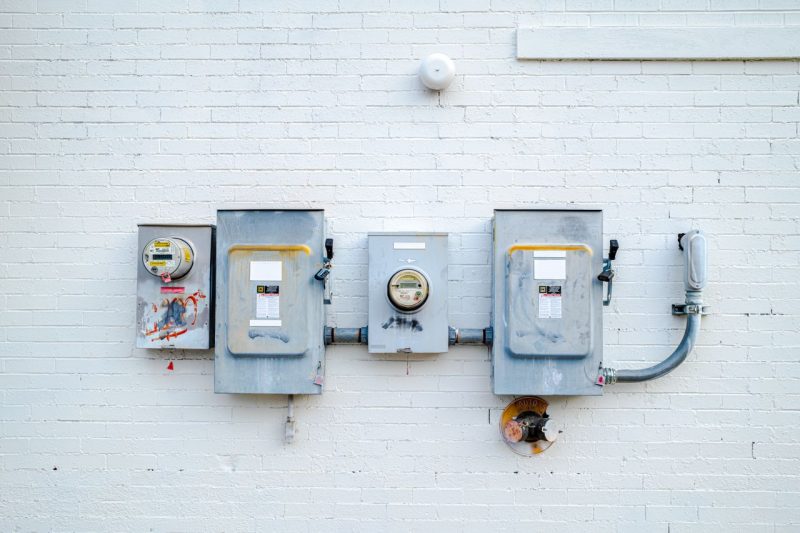
If you’re not sure, ask your retailer which type of reading was used.
If your bill is estimated and the amount looks too high, you may be able to give your retailer a reading yourself. This is called a self-read.
Take a clear photo of your meter and send it to your retailer, ideally before the bill is due. Ask them how to submit it. Some customers with smart meters or solar panels may not be able to do this.
If you still think the bill is wrong, ask your retailer to review it and explain why it’s higher. If you think your meter might be faulty, you can ask about having it tested. Ask about any fee first, because you may have to pay if the meter turns out to be working properly.
Keep a copy of your bill and any messages about the problem, so you have a record if you need to follow it up.
For more help, read Energy Made Easy’s guide to what to do if you think your energy bill is wrong.
You don’t need to understand every part of your meter to ask about a charge you don’t understand.
5. Look at the biggest users in your home, then change what you can
Once you’ve checked your bill and your plan, look at what’s using the most electricity at home.
For us, the biggest users were heating, the dryer and the new hot water system, so those were the places we paid attention to first.
You don’t have to make your home uncomfortable or stop using things you really need. Start with changes that fit your household.
- Use heating and cooling in a way that keeps your home safe and comfortable, without running it all day.
- Check the settings on your appliances, and don’t leave things running when nobody’s using them.
- If you use a clothes dryer a lot, think about whether some loads could dry another way.

- If your plan has peak and off-peak rates, check the real times and prices before you move your usage around.
- Keep an eye on your hot water, heating and cooling, because they can be big users.
We’ve shared more everyday ideas in our post, 12 Best Ways to Save Money on Electricity. If you want more ideas, start there.
Small changes can help, but your result depends on your home, your appliances, your meter and your plan.
What if you're struggling to pay the bill?
If your electricity bill is hard to manage, please don’t wait until it feels even heavier.
Contact your retailer and tell them what’s happening. Ask what payment help or hardship options they have. Some retailers can offer a payment plan or more time, depending on your situation.
You may also be able to get government concessions or other support, depending on where you live and your circumstances. Start with your state or territory government’s energy website.
If you’ve raised a billing problem with your retailer and it isn’t fixed, you can contact the energy ombudsman in your state or territory. It’s a free, independent service. In Victoria, that’s the Energy and Water Ombudsman Victoria. While a complaint is open, you may also have extra protections, so ask about them.
You don’t have to figure this out alone.
A small habit that can help you feel in control
You don’t have to become an energy expert to feel more confident about your bills.
But it helps to look at each bill for a few minutes before you pay it, instead of paying it and moving on.
Check your usage. See what makes up the charges. Check whether the reading is actual or estimated. And every so often, see whether your plan still suits your home.
You might find that your usage went up for a clear reason, as ours did. You might find a better plan. Or you might simply understand where your money is going.
That clarity matters. A bill you understand is much less scary than one you don’t.
Frequently asked questions
Why is my electricity bill so high in winter?
For many households, winter means more heating, more time at home, and sometimes more use of the dryer. Hot water can also work harder in cold weather. In our case, we think using the split system as a heater, using the dryer more, and a new electric hot water system all added up. A higher bill can also come from an estimated reading, or from a discount or credit that has ended, so check those too.
How do I know if my electricity bill is estimated?
Your bill should show it. Look for the word “estimated” or the letter “E” next to the usage charge. If you’re not sure, ask your retailer whether the reading was actual or estimated.
Can I give my retailer my own meter reading?
Often yes. If your bill is estimated, you can take a clear photo of your meter and send the reading to your retailer. This is called a self-read. Some customers with smart meters or solar panels may not be able to do this, so ask your retailer.
How often should I compare electricity plans?
There’s no one perfect time. It’s a good idea to compare whenever your bill jumps or your plan changes, and to check again every so often. In Victoria, retailers must tell you at least every three months if they have a better deal for you. Use your latest bill when you compare, so the results are based on your real usage.
What can I do if I can't pay my electricity bill?
Contact your retailer as early as you can and ask about payment help. You can also check whether you’re eligible for government concessions where you live. If you’ve raised a problem and it isn’t fixed, you can contact your state or territory energy ombudsman.
Disclaimer: This article shares our own experience and general information only. Energy plans, prices, offers, rules and eligibility vary by state, territory, retailer and household. Check your state or territory’s official energy website and confirm the details with your electricity retailer before making a decision.