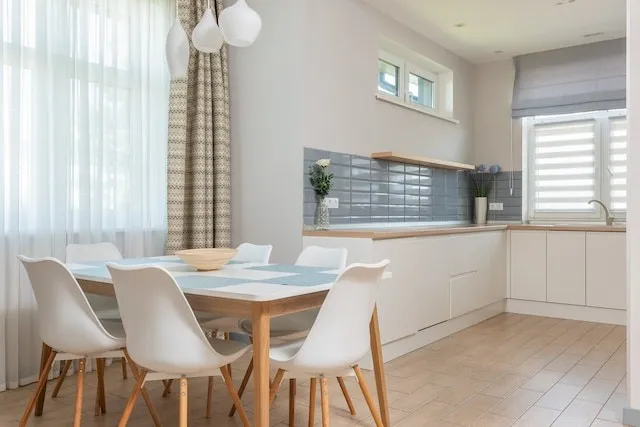
It took us too long to change how we spent.
When we first arrived in Australia, my husband didn’t have work yet. We were living with family, and no money was coming in. Not a little. None.
And yet, for a while, we kept spending like everything was normal.
We ate out. We bought the familiar food from home, the things that tasted like where we came from, even when they cost far more here.
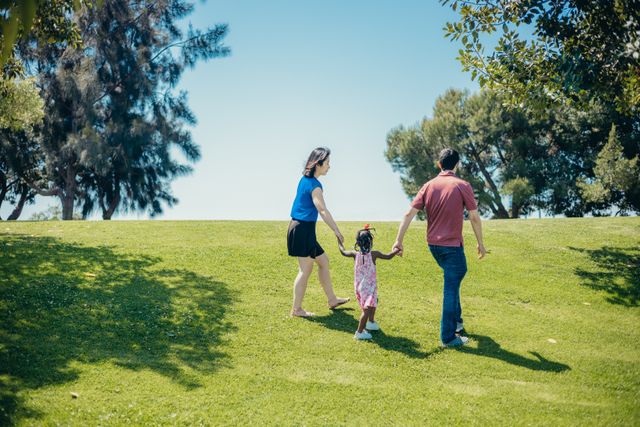
We went along on outings and trips, because that was what everyone around us was doing, and we didn’t want to be the ones who always said no.
The income wasn’t there. The spending carried on anyway.
Looking back now, I understand why we did it. Spending money the way we used to made us feel normal. It made us feel like we hadn’t lost everything, like we were still the same people we were back home. But feeling normal was costing us money we simply did not have.
If you have just arrived and you are spending to feel okay, I understand. We did the same. This is not a lecture. It is just the honest story of what we learned, slowly, and what we would do differently if we could go back.
Why cutting spending in your first year feels so hard
Nobody warns you how emotional money becomes when you move to a new country. It is not just about the numbers. When everything around you is unfamiliar, spending on the things you recognise can feel like holding onto a piece of home. The restaurant meal. The snack from your childhood. The outing that makes you feel like a normal family instead of a family in survival mode.
Cutting those things does not just feel like cutting costs. It feels like giving up comfort at the exact moment you need comfort most. That is the real reason cutting spending is hard in the first year. Not because you don’t know how. Because the spending is doing an emotional job, not just a financial one.
Once we understood that, it got easier. We could find other ways to feel steady that did not drain the little we had. If your own plan has already fallen apart once, that is normal too
What we cut first, and in what order
When we finally faced our situation honestly, we did not cut everything at once. We started with what cost the most and mattered the least. Here is the order that worked for us.
1. Eating out
This was the biggest one, and once we were honest with ourselves, the easiest to let go. Eating out felt like a small treat each time, but added up across a month with no income, it was one of the fastest ways our money disappeared. Cooking at home was not as exciting, but it kept us afloat.
We learned to plan simple meals, buy ingredients that stretched across several days, and treat cooking as something we did together rather than a chore.
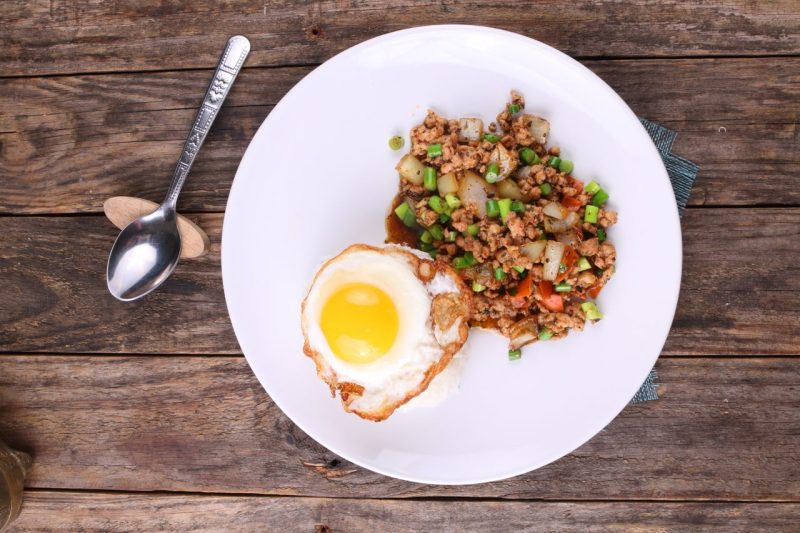
A pot of something warm, made at home, fed us for far less than a single meal out ever did.
2. Paid trips and outings
Going along on trips and outings felt like normal life. But normal life was exactly what we could not afford yet. We learned to say no to the things that cost money, and to suggest free things instead. It felt awkward at first. It stopped feeling awkward once we saw what it saved.
3. The pricier familiar food
We did not cut the familiar food from home completely. That would have felt like cutting out our own hearts. But we became honest about the difference between one or two comfort items and a full trolley of expensive imported brands. A small taste of home, yes. A weekly shop built around costly familiar products, not while there was no income coming in.
We also started learning which supermarkets were cheaper, which local produce was in season and affordable, and how to swap a costly imported ingredient for a local one that did almost the same job. Small swaps, repeated every week, added up to real money kept.
4. Then we flipped it, and leaned on everything free
This was the shift that changed the most. Instead of only cutting, we started actively filling our days with things that cost nothing. And this is where I want to spend the most time, because it is the part I wish someone had shown us sooner.
The free things that got us through
When you are starting over with almost nothing, it is easy to believe there is nothing to do unless you spend money. That is not true. Australia is full of free things, and leaning on them did not just save our money. It saved our minds.
1. The library became our second home
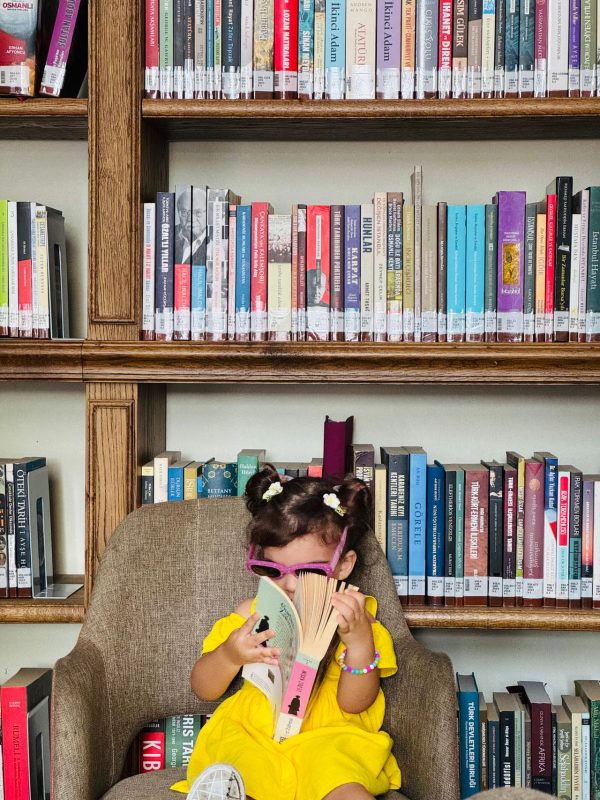
The library was one of our greatest discoveries. Our daughter loved going. She would explore the shelves, pick out books, and I would sit and read to her for as long as she wanted. It cost nothing, and it gave her a world to explore at a time when we could not give her much else.
It helped me too. I could borrow books and resources to understand our own situation better, to learn about money, about settling in, about the country we were now trying to build a life in. The library did not just entertain us. It quietly educated us, for free.
Most Australian libraries also run free activities. Story time for little ones. Free internet and computer access, which mattered a great deal when my husband was applying for jobs.
Community noticeboards full of free and low cost local events. If you have not joined your local library yet, it is one of the first free things I would tell any new arrival to do.
2. Parks and the beach
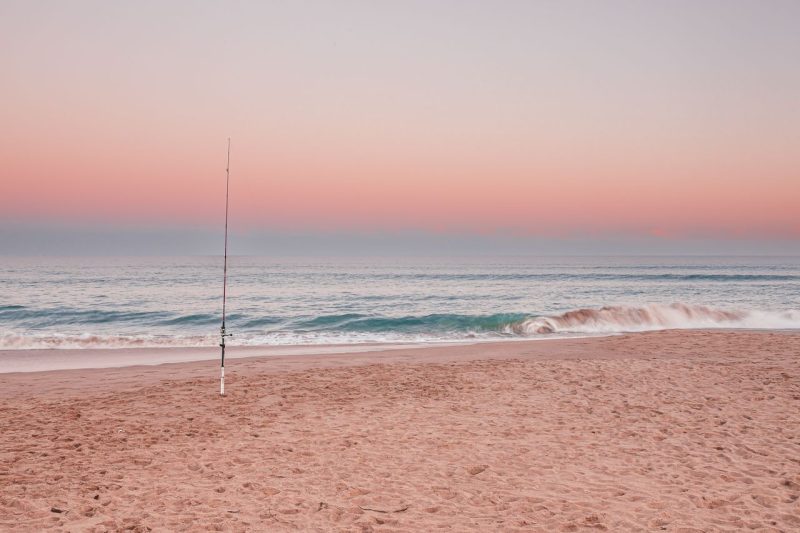
We walked to parks. We went to the beach. Both were free, and both did something no amount of spending could do. They cleared our minds. When your situation is heavy and you cannot control it, there is something about open space, fresh air, and watching your child run around that reminds you that you are still okay, right now, in this moment.
3. Free community events
We started looking out for free community events, and there were more than we expected. Council run days in the park. Free festivals. Community markets that cost nothing to walk around. These became outings that cost nothing but still gave us that feeling of being part of something, of not being stuck inside our worry.
4. The toy aisle, and toys we made ourselves
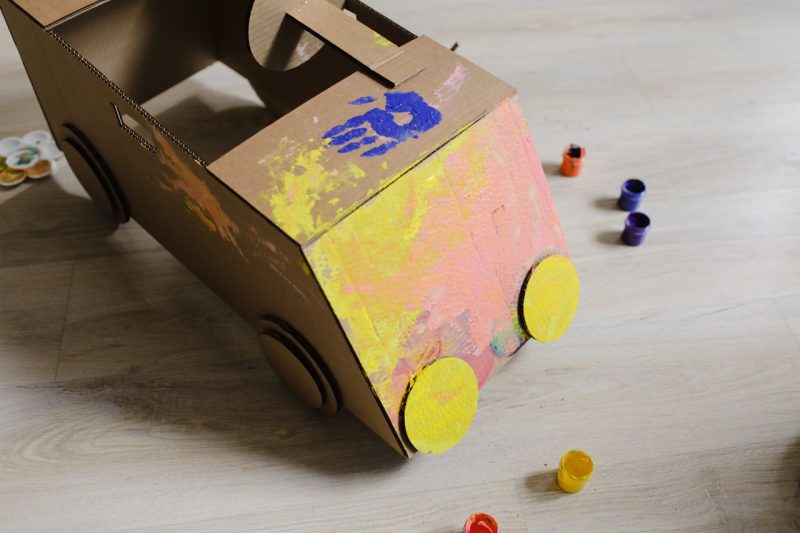
Our daughter was two. Instead of buying toys, we would go to the toy aisle at the shops and let her play with them right there. Then we would go home, and I would make things for her out of cardboard boxes and empty tissue rolls. She was just as happy. Children do not need expensive things. They need your time and your attention, and those are free.
5. Church and community
Church was always our go to. Every Sunday, it gave us somewhere to be, a community around us, and something to hold onto when everything else felt uncertain. Faith and community carried us through that first year in a way that money never could have.
What I would tell you if you are here right now
If you are in your first year in Australia, with little or no income, and you are frightened, I want to tell you what I wish someone had told me.
You cannot always control your situation. But you can control how you respond to it. That one truth changes everything, because it moves the power back into your hands even when nothing else is in your control.
Find something to be grateful for, every single day, even when it is small. Gratitude does not fix your bank balance, but it changes how you carry the weight.
Keep your faith. Keep believing. Trust that this hard season is a season, not the whole story.
And be gentle with yourself. Everything is hard when you are starting. That is not a sign you are failing. It is just what beginnings feel like. The hardness is not proof that you made the wrong choice. It is simply the cost of building something new.
We got through that year. Not because we had money, but because we learned to spend less, lean on what was free, and hold onto each other and our faith while we waited for things to change.
They did change. And they can change for you too. If you are not sure which phase you are in or what to focus on first, that is exactly the kind of thing our free New Immigrant Money Roadmap was made to help with.
Frequently asked questions
How can I save money in Australia with a low income?
Start by cutting the costs that are highest and least essential, like eating out and paid outings, then lean hard on the many free things Australia offers, such as libraries, parks, beaches, and free community events. Small, repeated changes to your weekly grocery shop also add up over time.
What free things can new immigrants do in Australia?
Local libraries are free to join and often run free story time, computer access, and events. Parks and beaches cost nothing. Councils and community groups regularly hold free festivals, markets, and family days. Many places of worship also offer community and support at no cost.
Is it normal to struggle with money in your first year in Australia?
Yes. Many new immigrants arrive without local income, credit history, or a support network, and the first year is often the hardest. Struggling does not mean you have failed. It usually means you are still learning a new financial system while living inside it.
How do I stop overspending when I first arrive?
Notice when spending is doing an emotional job rather than meeting a real need. A lot of early overspending comes from wanting to feel normal in an unfamiliar place. Once you can name that, it becomes easier to find free ways to feel steady instead.
Related posts:
- 7 Money Mistakes New Immigrants Make in Their First Year in Australia (and How to Avoid Them Gently)
- What Irregular Expenses New Immigrants Often Forget to Budget for in Australia
- How to Build a Good Credit Score in Australia Without a Credit Card
- What Nobody Told Us About Our First Tax Time in Australia (And What’s Changing This Financial Year)