How often do you actually get billed for your basics here? If you are new to Australia, you might assume every bill works the same way. We certainly did.
We budgeted for our bills every month when we first arrived. Electricity, rent, groceries, all the usual things. It felt organised. It felt like we had a handle on things.
Then we waited for the water bill. One month passed. Nothing came. We did not panic. We just figured we would learn as we went, the way you do with most things in a new country.
Two months passed. Still nothing. Then, right around month three, the water bill finally arrived.
We were not upset when it did. Mostly, we were confused. We had been so used to a single, predictable monthly rhythm for every bill back home that the idea of one bill running on a completely different schedule to the rest had simply never occurred to us. It was not something we thought to ask about before we arrived, and it was not something anyone thought to mention either.
That was the moment we learned something nobody had explained to us before we landed. Not every bill in Australia runs on the same clock.
Why Bills Here Do Not All Arrive on the Same Schedule
This is not just something we happened to experience. It is actually how the system works, and it catches a lot of new arrivals off guard.
Electricity is usually billed monthly if you have a smart meter, since your usage gets sent to the retailer automatically. If your home has an older, basic meter, you are more likely billed quarterly instead, since someone needs to physically read the meter every few months.
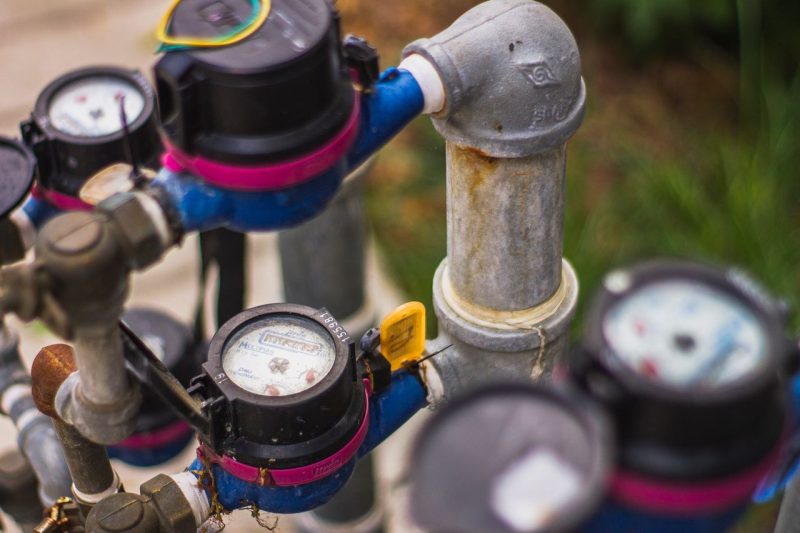
Gas is a little different again. In most states, gas is billed quarterly by default. If you are in Victoria, gas is often billed bi-monthly, every two months, rather than quarterly.
Water is typically billed quarterly as well, which is exactly what caught us out. We were expecting a monthly rhythm across the board, and water simply does not work that way.
So, in one household, you can genuinely be managing three different bill cycles at once. Monthly electricity, bi-monthly or quarterly gas, and quarterly water. Nobody hands you a chart explaining this when you arrive. You just have to notice it, usually the hard way, the same way we did.
What This Actually Feels Like When You Are New
If you have ever budgeted carefully, felt confident you had it under control, and then been caught off guard by a bill that arrived on a totally different timeline to what you expected, you are not doing anything wrong. You just have not learned this particular system yet.
That is genuinely most of what starting over in a new country looks like. Not one big, dramatic lesson. A hundred small ones, each arriving on its own schedule, the same way our water bill did.
What Actually Helped Us Once We Understood This
We did not need to memorise every provider’s exact billing calendar. What helped far more was building a simple habit around it.
Set aside a small amount every week, separate from everyday spending. Even a modest amount, tucked into its own space, means that whenever an irregular bill lands, whether it is water, gas, or anything else running on a longer cycle, it does not throw off your whole week or month.

Check your specific bill cycle with each provider directly. Since billing frequency depends on your meter type, your provider, and even which state you are in, the only way to know for certain is to check your own account or ask your provider outright. Do not assume every bill in your household runs the same way, because they likely do not.
Ask about switching to monthly billing if it suits you better. Many electricity and gas providers allow you to request monthly billing if you have the right meter type, which can make budgeting feel more predictable if quarterly surprises are not for you. It is worth a quick call to ask.
Give yourself permission to not know this stuff yet. You are not behind. You are not careless with money. You are simply encountering a system that nobody explains clearly to newcomers, and you are learning it the same way we did, one bill at a time.
Keep a simple note of each bill’s due date once it arrives. After the first cycle of each bill type, you will have a much clearer sense of what to expect next time. We started jotting down roughly when each bill landed, and by the second year, very little caught us by surprise anymore.
Mapping Out Your Own Bill Calendar
Once we understood that every bill in our household ran on its own timeline, the next useful step was actually writing it down. This sounds simple, but it made a real difference to how in control we felt.
Here is roughly what that looked like for us, and it is worth building your own version once you know your providers and meter types.
Bill | Typical frequency | What to check |
Electricity | Monthly (smart meter) or quarterly (basic meter) | Ask your provider which meter type you have |
Gas | Quarterly in most states, bi-monthly in Victoria | Confirm with your specific provider and state |
Water | Quarterly in most areas | Check your local water authority’s billing schedule |
Rent | Usually weekly or fortnightly | Confirm with your agent or landlord |
Council rates (if applicable) | Usually quarterly | Only applies if you own your home |
Once we had our own version of this written down, budgeting stopped feeling like guesswork. We knew roughly which months would carry an extra bill or two, and which months would feel lighter. That alone removed a surprising amount of stress.
We would suggest doing this in your first few months here, even before your first bill of each type actually arrives. A quick call or a check of your online account with each provider will tell you exactly which cycle you are on, rather than waiting to find out the way we did.
Why This Trips Up So Many New Arrivals Specifically
Back home, many of us grew up with a single, familiar billing rhythm we never had to think about. It was just how things worked, and we never had reason to question it.
Here, that rhythm does not transfer. Every provider, every state, and every meter type can run differently. What feels obvious to someone who grew up navigating this system feels like an entirely hidden set of rules to someone encountering it for the first time.
This is part of why we believe financial confidence in a new country is not really about being naturally good with money. It is about having the information that locals absorbed slowly, over years, handed to you clearly and all at once, so you are not left to discover it bill by bill the way we were.
The Bigger Lesson Underneath the Bill Cycles
Looking back, the water bill itself was such a small thing. But it taught us something that kept showing up again and again during those first years. You cannot know everything going in. Every new system here, whether it is bills, tax, super, or anything else, gets learned by living through it, not by being told in advance.
That does not make it easier in the moment. But it does mean the confusion is temporary, and it passes the same way ours did once we understood the pattern.
Frequently Asked Questions
How often is electricity billed in Australia? Electricity is typically billed monthly if you have a smart meter, since usage data is sent automatically. Homes with a basic, manually-read meter are more commonly billed quarterly instead.
How often is gas billed in Australia? In most states, gas is billed quarterly by default. Victoria is the exception, where gas is commonly billed bi-monthly, every two months.
How often is water billed in Australia? Water is typically billed quarterly. This can be a surprise for new arrivals expecting a monthly cycle similar to other household bills.
Can I change my bill from quarterly to monthly? Often yes, depending on your provider and meter type. Many electricity and gas retailers allow you to request monthly billing if your meter supports it. It is worth asking your provider directly.
What should I do if a bill lands and I was not expecting it yet? Contact your provider. Most offer payment plans or the option to spread the cost into smaller, regular instalments rather than paying the full amount at once.
This post reflects our own experience and general information about how billing cycles typically work in Australia. Billing frequency varies by provider, meter type, and state, so check with your own provider to confirm your specific bill cycle.